
Choosing the freshest seafood is both an art and a science. Whether you’re shopping at a wet market, fishmonger, or ordering online, knowing how to assess freshness helps you enjoy better flavour, safer meals, and greater nutritional value. This comprehensive guide walks you through everything you need to know—sight, smell, touch, timing, storage, and even smart buying habits—so you can confidently pick the best seafood every time.
Why Freshness Matters in Seafood
Seafood is one of the most delicate food categories. Unlike red meat or poultry, fish and shellfish begin to deteriorate quickly once harvested. Freshness affects:
- Taste & texture – Fresher seafood is sweeter, firmer, and cleaner-tasting
- Food safety – Spoiled seafood can cause foodborne illness
- Nutritional value – Omega-3s and proteins degrade over time
- Cooking results – Fresh seafood holds shape and cooks evenly
Understanding freshness isn’t about being a professional chef—it’s about learning a few reliable indicators.
How to Choose Fresh Fish (Whole Fish & Fillets)


4
1. Check the Eyes (for Whole Fish)
- Fresh: Clear, bright, slightly bulging
- Not fresh: Cloudy, sunken, dull
The eyes are often the first part to show deterioration.
2. Look at the Gills
- Fresh: Bright red or deep pink, moist
- Not fresh: Brown, grey, slimy
If the gills look dry or dark, the fish is past its prime.
3. Examine the Skin & Scales
- Fresh: Shiny, metallic, scales firmly attached
- Not fresh: Dull skin, scales falling off easily
Fresh fish should almost “sparkle” under light.
4. Smell the Fish
- Fresh: Clean, mild ocean or seaweed scent
- Not fresh: Sour, ammonia-like, overly “fishy” smell
A strong fishy odour is a red flag.
5. Touch Test (Fillets Especially)
- Fresh: Firm flesh that springs back when pressed
- Not fresh: Soft, mushy, leaves fingerprints
Also look for fillets that are moist but not slimy.
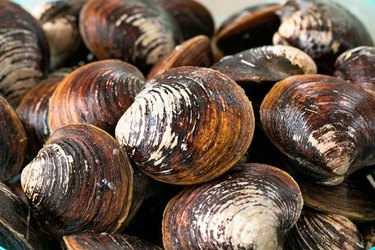
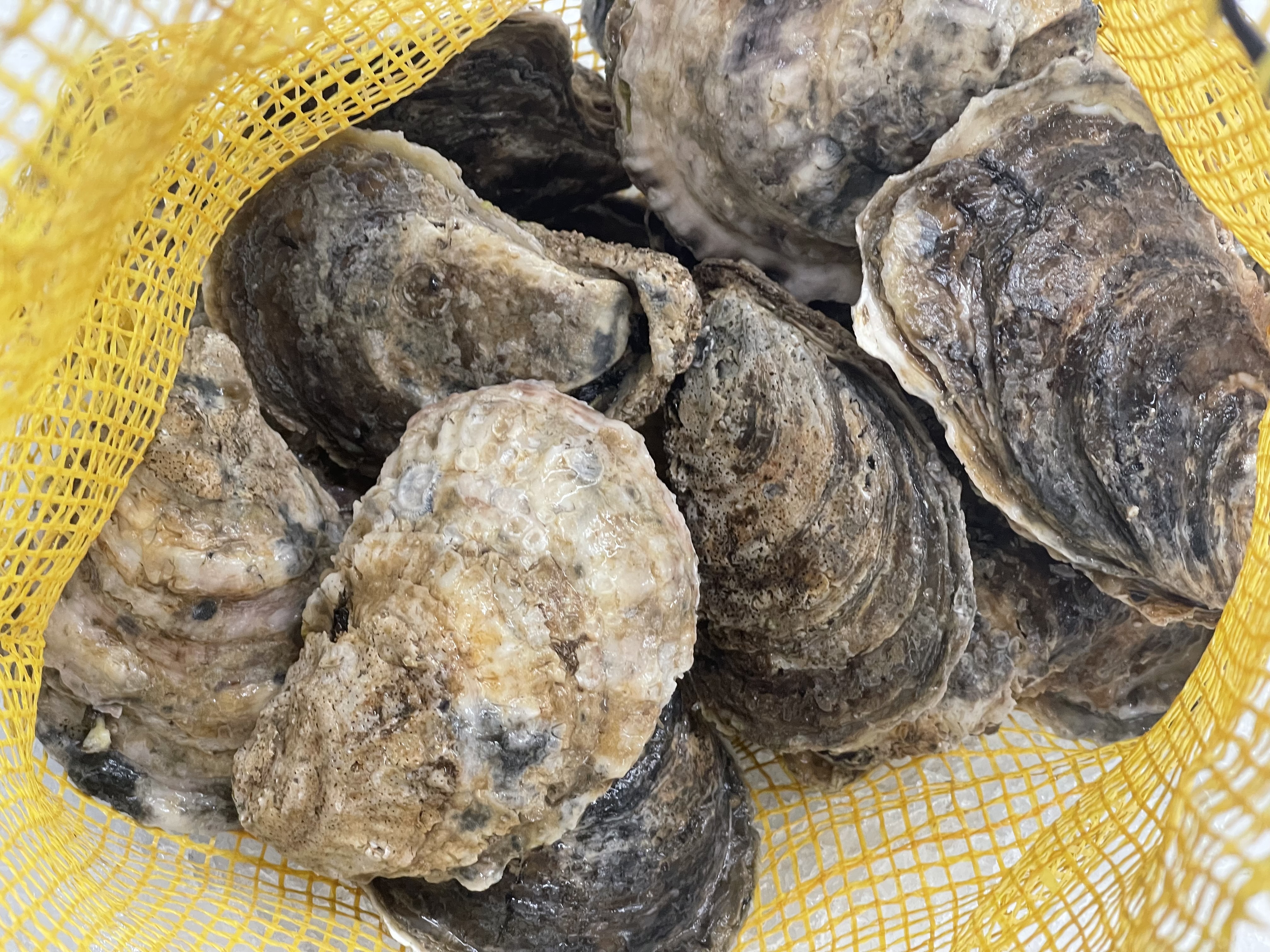
How to Choose Fresh Shellfish (Clams, Mussels, Oysters)

4
Shellfish must be alive when purchased to be considered fresh.
1. Shells Must Be Closed
- Fresh: Shells tightly closed or close when tapped
- Not fresh: Shells remain open
Open shells that don’t respond should be discarded.
2. Smell Matters
- Fresh: Light briny, clean sea smell
- Not fresh: Rotten egg or sulphur smell
Bad shellfish smell is unmistakable—trust your nose.
3. Weight Test (Oysters)
- Fresh: Heavy for their size (full of seawater)
- Not fresh: Light, dried out
4. Avoid Cracked Shells
Cracks allow bacteria to enter and kill the shellfish quickly.
How to Choose Fresh Prawns, Shrimp & Crustaceans


4
1. Shell Appearance
- Fresh: Translucent, glossy shells
- Not fresh: Yellowing, black spots, dull shell
Black spots indicate oxidation and aging.
2. Smell Test
- Fresh: Light, clean sea aroma
- Not fresh: Ammonia or sour smell
Prawns spoil quickly—any strong smell means skip it.
3. Firmness
- Fresh: Firm, springy bodies
- Not fresh: Limp, floppy texture
4. Live Crabs & Lobsters
- Choose actively moving specimens
- Avoid lethargic or motionless ones
Liveliness is a direct indicator of freshness.
Understanding Fresh vs Frozen Seafood


4
Frozen seafood can be just as fresh—sometimes even fresher—than “fresh” seafood if handled correctly.
When Frozen Seafood Is a Good Choice
- Frozen immediately after harvest (IQF – Individually Quick Frozen)
- Vacuum-sealed with no air exposure
- No freezer burn or ice crystals
Signs of Poor-Quality Frozen Seafood
- Thick ice glazing
- Yellow or grey patches
- Broken vacuum seals
Frozen seafood is ideal for people who want consistent quality and longer storage.
Seasonal & Source Awareness
1. Know What’s in Season
Seafood harvested in season:
- Tastes better
- Costs less
- Is more sustainable
Ask your supplier what’s currently in season.
2. Understand the Source
- Local seafood: Fresher, shorter transport time
- Imported seafood: Check harvesting and freezing methods
Reliable sellers should be transparent about origin.
Buying Seafood Online: What to Look For
Online seafood shopping is growing rapidly, and freshness depends on logistics rather than display.
Key Things to Check
- Same-day or next-day delivery
- Cold-chain logistics (chilled or frozen transport)
- Clear harvesting or freezing dates
- Vacuum-sealed packaging
A good online supplier will prioritise temperature control over appearance.
How to Store Seafood Properly at Home


4
Fresh Fish (Refrigerator)
- Store at 0–2°C
- Place on ice in a container
- Cover loosely
- Use within 24–48 hours
Shellfish
- Store alive in breathable containers
- Do not submerge in water
- Use within 24 hours
Freezing Seafood
- Pat dry before freezing
- Vacuum seal if possible
- Label with date
- Use within 2–3 months for best quality
Common Myths About Seafood Freshness
Myth 1: “Fishy Smell Means Fresh”
❌ Wrong. Fresh seafood should smell clean, not strong.
Myth 2: “Fresh Is Always Better Than Frozen”
❌ Not always. Poorly handled “fresh” fish can be worse than well-frozen seafood.
Myth 3: “Clear Packaging Means Better Quality”
❌ Packaging clarity doesn’t guarantee freshness—temperature control does.
Questions to Ask Your Fishmonger or Supplier
- When was this seafood harvested or frozen?
- Is it wild-caught or farmed?
- Has it been previously frozen?
- What’s the best way to store and cook this item?
A knowledgeable seller is often a sign of a trustworthy one.
Final Thoughts: Trust Your Senses & Buy Smart
Choosing the freshest seafood doesn’t require expert training—just awareness and confidence. Always rely on:
- Your eyes for clarity and colour
- Your nose for clean, ocean-like scents
- Your hands for firmness and texture
Combine sensory checks with smart sourcing, proper storage, and seasonality, and you’ll consistently enjoy seafood that’s safer, tastier, and more rewarding to cook.
Fresh seafood isn’t just about luxury—it’s about respect for ingredients, health, and the dining experience.