
Organic pork is no longer a niche product reserved for specialty grocers or fine-dining restaurants. Across Singapore and many parts of the world, more consumers are actively choosing organic pork for everyday meals, family cooking, and special occasions. This growing interest is driven by deeper awareness around food quality, health, animal welfare, and long-term sustainability.
But what exactly makes organic pork different, and why does quality matter so much when it comes to pork? This article explains organic pork in depth—covering its key benefits, how to cook it properly, and why investing in quality pork makes a meaningful difference to both health and taste.
What Is Organic Pork?
Organic pork comes from pigs raised according to strict organic farming standards. These standards focus on natural growth, clean feed, humane treatment, and minimal chemical intervention throughout the animal’s life cycle.
Organic pork is defined by several core principles:
- Pigs are fed certified organic feed
- No routine antibiotics or growth hormones are used
- Animals are raised in less crowded, low-stress environments
- Access to outdoor or open spaces is encouraged
- Farming practices prioritise animal welfare and environmental care
These factors combine to produce pork that is cleaner, more nutritious, and more flavourful than conventionally farmed alternatives.
The Health Benefits of Organic Pork
Cleaner Protein for Everyday Nutrition
Pork is an excellent source of high-quality protein, which supports muscle growth, tissue repair, and overall body function. Organic pork delivers this protein without the added concerns often associated with industrial meat production, such as antibiotic residues or chemical feed contaminants.
For individuals who consume pork regularly, choosing organic pork helps ensure that protein intake remains clean and wholesome.
Reduced Chemical Exposure
One of the main reasons consumers choose organic pork is to reduce exposure to unnecessary chemicals. Organic standards prohibit:
- Synthetic pesticides in feed
- Genetically modified ingredients
- Routine antibiotic use
Over time, reducing dietary exposure to these substances supports better long-term health, particularly for children, pregnant women, and elderly individuals with more sensitive systems.
Balanced Fat Profile
Organic pork often has a more natural fat composition. Because organic pigs are allowed to move freely and grow at a natural pace, their fat is typically firmer and more evenly distributed.
Many people find organic pork:
- Less greasy
- Easier to digest
- More satisfying in smaller portions
This makes organic pork a good option for those seeking balance rather than excess.
Why Animal Welfare Directly Affects Meat Quality
Lower Stress Means Better Pork
Stress has a direct impact on meat quality. Pigs raised in crowded or unnatural conditions experience higher stress levels, which can negatively affect muscle structure and moisture retention.
Organic pigs benefit from:
- Greater freedom of movement
- Natural social interaction
- Calmer living environments
As a result, organic pork is generally more tender, juicier, and consistent in texture.
Ethical Choices and Conscious Eating
For many consumers, choosing organic pork aligns with ethical values. Supporting farms that prioritise humane treatment reinforces a food system where quality and responsibility go hand in hand.
This ethical dimension enhances the overall value of organic pork beyond taste alone.
Taste: Why Organic Pork Simply Tastes Better
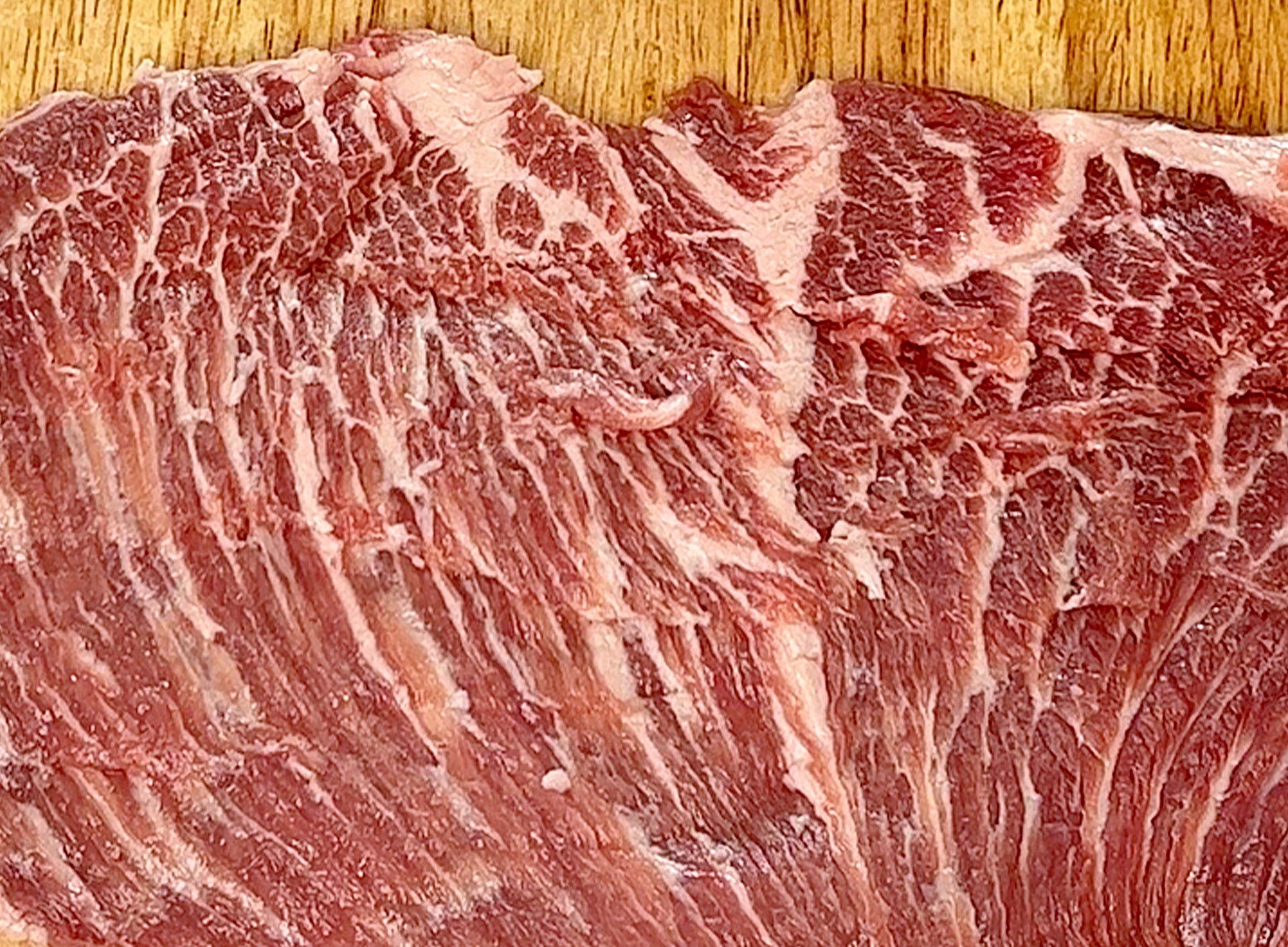
Natural Flavour Development
Organic pork develops flavour slowly and naturally. Without artificial growth acceleration, muscle fibres and fat mature in harmony, resulting in meat with deeper, richer flavour.
Instead of tasting bland or watery, organic pork offers:
- Clean, savoury notes
- Natural sweetness from quality feed
- A fuller pork aroma
This makes organic pork enjoyable even with minimal seasoning.
Superior Texture
Texture is one of the most noticeable differences. Organic pork tends to be:
- Firm but tender
- Moist without excessive water loss
- Consistent across different cuts
This superior texture improves both home cooking and professional kitchen results.
Cooking Organic Pork: Tips for Best Results
Because organic pork is less processed and contains less retained water, it behaves slightly differently during cooking. Understanding these differences helps you get the best out of every cut.
Avoid Overcooking
Organic pork should not be overcooked. While modern pork is safe to eat when properly cooked, excessive heat can dry out lean organic cuts.
Tips:
- Use a meat thermometer where possible
- Rest pork after cooking to retain juices
- Cook gently rather than aggressively
Match Cooking Method to Cut
Different cuts of organic pork shine with different techniques:
- Tender cuts (loin, tenderloin): pan-sear or roast quickly
- Tougher cuts (shoulder, belly): slow-cook or braise
- Thin cuts: quick stir-fry or grilling
Because organic pork has better structure, it responds beautifully to both fast and slow cooking methods.
Keep Seasoning Simple
Organic pork does not need heavy marinades. Simple seasoning allows the natural flavour to stand out:
- Salt and pepper
- Light herbs such as rosemary or thyme
- Gentle marinades using soy sauce, garlic, or ginger
Less is often more when working with quality pork.
Why Quality Matters More Than Quantity
Eating Less, Eating Better
One key shift among organic pork consumers is prioritising quality over quantity. Instead of large portions of low-quality meat, many choose smaller portions of premium organic pork.
This approach:
- Enhances enjoyment
- Supports mindful eating
- Reduces unnecessary excess
Quality meat is more satisfying, meaning you naturally eat less while feeling fuller.
Long-Term Health Perspective
Diet is not just about individual meals—it is about long-term patterns. Regularly choosing higher-quality proteins like organic pork contributes to:
- Better digestion
- Reduced chemical intake
- Improved overall food confidence
Over time, these small choices add up.
Organic Pork and Sustainability
Supporting Responsible Farming
Organic pork farming promotes practices that protect:
- Soil health
- Water quality
- Local ecosystems
By avoiding chemical fertilisers and pesticides, organic farms help preserve the land for future generations.
A More Transparent Food System
Organic certification requires traceability. Consumers can have greater confidence in knowing where their food comes from and how it was produced.
This transparency builds trust and encourages higher standards across the food industry.
Is Organic Pork Worth the Price?
Organic pork is typically priced higher than conventional pork due to:
- Higher feed costs
- More space per animal
- Greater labour and care requirements
However, when considering:
- Health benefits
- Superior taste
- Ethical and environmental impact
many consumers find organic pork to be excellent value rather than an unnecessary luxury.
Final Thoughts: Why Organic Pork Quality Truly Matters
Organic pork is more than just an alternative—it is a reflection of better farming, better nutrition, and better eating habits. From its clean production methods and ethical treatment of animals to its superior taste and cooking performance, organic pork delivers real, tangible benefits.
For families, home cooks, and anyone who values what goes into their body, organic pork represents a thoughtful choice. By focusing on quality rather than shortcuts, organic pork proves that when food is raised and prepared with care, the difference is something you can truly taste.