
In recent years, organic meats have moved from niche specialty items to mainstream choices found in supermarkets, butcheries, and online grocery platforms. More consumers are paying closer attention to what they eat, where their food comes from, and how it is produced. Organic meat, often associated with cleaner labels and ethical farming, appeals not only to health-conscious individuals but also to families, seniors, athletes, and environmentally aware consumers.
But what exactly makes organic meats so beneficial—and why are they considered a great option for everyone? To understand this, we need to explore how organic meat is produced, how it differs from conventional meat, and the wide-ranging benefits it offers for health, taste, animal welfare, and the environment.
Understanding What Organic Meat Really Means
Organic meat comes from animals raised according to strict organic farming standards. While exact regulations vary slightly by country, organic meat production typically follows these core principles:
- Animals are fed organic feed that is free from synthetic pesticides, herbicides, and genetically modified organisms (GMOs).
- Routine use of antibiotics and growth hormones is prohibited.
- Animals are raised in conditions that allow natural behaviors, including outdoor access and adequate space.
- Farming practices emphasize sustainability, soil health, and environmental protection.
These standards aim to create a healthier ecosystem for animals, farmers, and consumers alike.
Cleaner, More Natural Nutrition
One of the biggest reasons people choose organic meat is for its nutritional integrity. While organic and conventional meats may appear similar on the surface, the way animals are raised can influence the quality of the meat.
Fewer Chemical Residues
Organic meat is produced without synthetic pesticides in animal feed and without routine antibiotics or growth hormones. This reduces the likelihood of chemical residues entering the food chain, which is especially important for children, pregnant women, and individuals with sensitive immune systems.
Better Fatty Acid Profile
Studies have shown that organic meats—especially grass-fed organic beef—often contain higher levels of beneficial omega-3 fatty acids and a more favorable omega-6 to omega-3 ratio. Omega-3s are known to support heart health, brain function, and inflammation control.
Suitable for Everyday Consumption
Because organic meats are produced without artificial growth enhancers, many consumers find them gentler on digestion. This makes organic meat suitable for a wide range of people, including seniors and those who prefer minimally processed foods.
No Routine Antibiotics or Growth Hormones
One of the most significant differences between organic and conventional meat lies in the use of antibiotics and hormones.
Reducing Antibiotic Resistance
In conventional farming, antibiotics are sometimes used preventively to promote faster growth or reduce disease in crowded environments. Over time, this practice contributes to antibiotic resistance—a global health concern.
Organic farming prohibits routine antibiotic use. Animals are only treated when medically necessary, and treated animals may lose organic status. This helps protect the effectiveness of antibiotics for human medicine and supports long-term public health.
Hormone-Free for Natural Growth
Organic standards ban synthetic growth hormones. Animals grow at their natural pace, resulting in meat that many people consider more wholesome and authentic. This is especially reassuring for families feeding young children.
Better Animal Welfare and Ethical Farming
For many consumers, organic meat aligns with ethical values and responsible consumption.
Freedom to Behave Naturally
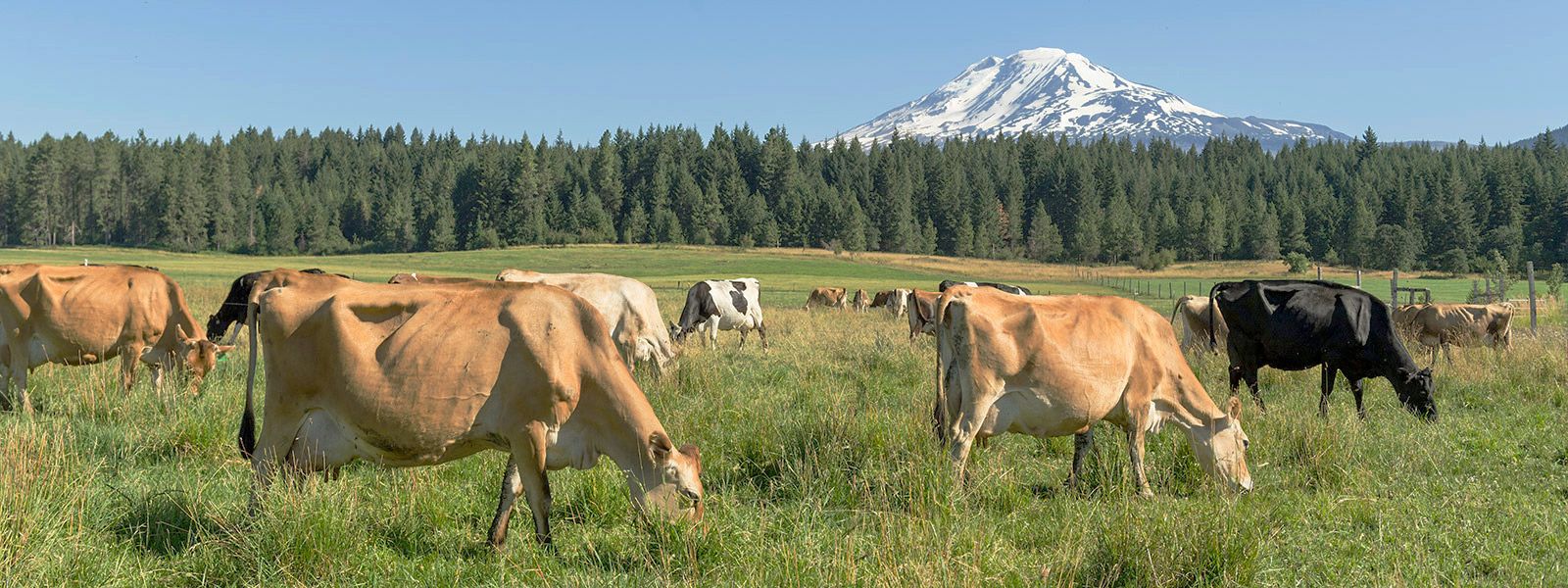
Organic livestock are raised in environments that allow them to move freely, graze outdoors, and express natural behaviors. Chickens can roam, cattle can graze on pasture, and pigs have space to explore—conditions that reduce stress and improve overall animal well-being.
Lower Stress, Better Quality Meat
Lower stress levels in animals are not just an ethical benefit; they can also affect meat quality. Stress can impact muscle chemistry, leading to tougher or less flavorful meat. Calm, well-treated animals often yield meat with better texture and taste.
Superior Taste and Texture
Many people who switch to organic meat notice a clear difference in flavor.
Richer, More Authentic Taste
Organic meats, particularly pasture-raised beef and free-range poultry, often have a deeper, more natural flavor. This is largely due to natural diets and slower growth rates, which allow muscle fibers to develop properly.
Improved Cooking Experience
Organic meat tends to retain moisture better and has a firmer texture. Whether grilling, roasting, or stir-frying, many home cooks find organic meat easier to work with and more satisfying to serve.
Environmentally Friendly and Sustainable
Organic meat production goes beyond personal health—it also benefits the planet.
Healthier Soil and Ecosystems
Organic farms avoid synthetic fertilizers and pesticides, which helps protect soil microorganisms, water quality, and surrounding ecosystems. Healthier soil also improves the nutritional quality of animal feed.
Reduced Pollution
By minimizing chemical runoff and promoting natural waste management practices, organic livestock farming reduces environmental pollution and protects nearby rivers and groundwater sources.
Supporting Sustainable Agriculture
Choosing organic meat supports farming systems designed to be viable in the long term. These systems focus on renewable resources, biodiversity, and responsible land use—key factors for future food security.
Suitable for All Stages of Life
One of the greatest strengths of organic meat is its universal suitability.
For Children
Parents often choose organic meat for children due to reduced exposure to antibiotics, hormones, and chemical residues. Clean protein sources are essential for growth, immunity, and cognitive development.
For Working Adults
Organic meat provides high-quality protein, iron, zinc, and B vitamins—nutrients essential for energy, muscle maintenance, and stress management in busy lifestyles.
For Seniors
Easily digestible protein and cleaner nutrition make organic meat a good option for older adults who need nutrient-dense foods without unnecessary additives.
Transparency and Trust in Food Choices
Organic certification offers consumers peace of mind.
Clear Standards and Labelling
Certified organic meat must meet strict requirements, and farms are regularly inspected. This transparency allows consumers to make informed choices about what they put on their plates.
Knowing Where Your Food Comes From
Many organic producers emphasize traceability and local sourcing. Consumers often feel more connected to their food, knowing it comes from farms that prioritize responsibility and care.
Supporting Local Farmers and Ethical Businesses
Buying organic meat often means supporting smaller-scale farmers and sustainable food systems.
- Organic farms typically focus on quality rather than mass production.
- Consumers help sustain ethical farming practices and fair labor conditions.
- Money spent on organic food often circulates within local or regional economies.
This creates a positive ripple effect beyond individual health benefits.
Addressing Common Concerns About Organic Meat
Is Organic Meat Worth the Higher Price?
Organic meat usually costs more due to higher farming standards, slower growth rates, and more labor-intensive practices. However, many consumers view it as an investment in health, ethics, and environmental sustainability rather than just a food expense.
Is Organic Meat Always Better?
While organic meat offers many advantages, quality also depends on sourcing, handling, and freshness. Choosing reputable suppliers and proper storage is still essential.
Why Organic Meat Fits Modern Lifestyles
As people become more mindful of wellness, sustainability, and long-term health, organic meat fits naturally into modern diets. It complements balanced eating patterns, aligns with clean-label preferences, and supports a more conscious approach to food consumption.
Whether someone is an athlete seeking clean protein, a parent feeding a growing family, or a consumer concerned about environmental impact, organic meat offers benefits that go beyond nutrition alone.
Conclusion: A Thoughtful Choice for Everyone
Organic meats stand out because they combine health, ethics, taste, and sustainability in one food choice. They are produced with respect for animals, care for the environment, and attention to human well-being. Free from routine antibiotics and synthetic growth hormones, organic meats offer cleaner nutrition and peace of mind for consumers of all ages.
Ultimately, what makes organic meat great for everyone is its holistic approach—nourishing the body, supporting responsible farming, and contributing to a healthier planet. As awareness grows and access improves, organic meat is no longer just a premium option; it is a thoughtful, forward-looking choice for everyday living.