


4
Wagyu beef is often described as the pinnacle of luxury meat. Known for its exquisite marbling, buttery texture, and rich umami flavour, Wagyu has earned a reputation that goes far beyond marketing hype. From fine-dining restaurants to premium home kitchens, Wagyu is celebrated worldwide—but what exactly makes Wagyu beef so good, and why is it so different from regular beef?
This article explores the history, genetics, farming methods, flavour profile, nutritional aspects, grading system, and cultural significance of Wagyu beef, helping you fully understand why it is considered one of the finest meats in the world.
The Meaning of “Wagyu”
The word Wagyu (和牛) simply means “Japanese cow”:
- Wa (和) = Japanese
- Gyu (牛) = Cow
However, Wagyu is not just any Japanese beef. True Wagyu refers to specific cattle breeds in Japan that have been carefully bred for generations to produce exceptional intramuscular fat, also known as marbling.
Exceptional Marbling: The Heart of Wagyu’s Quality


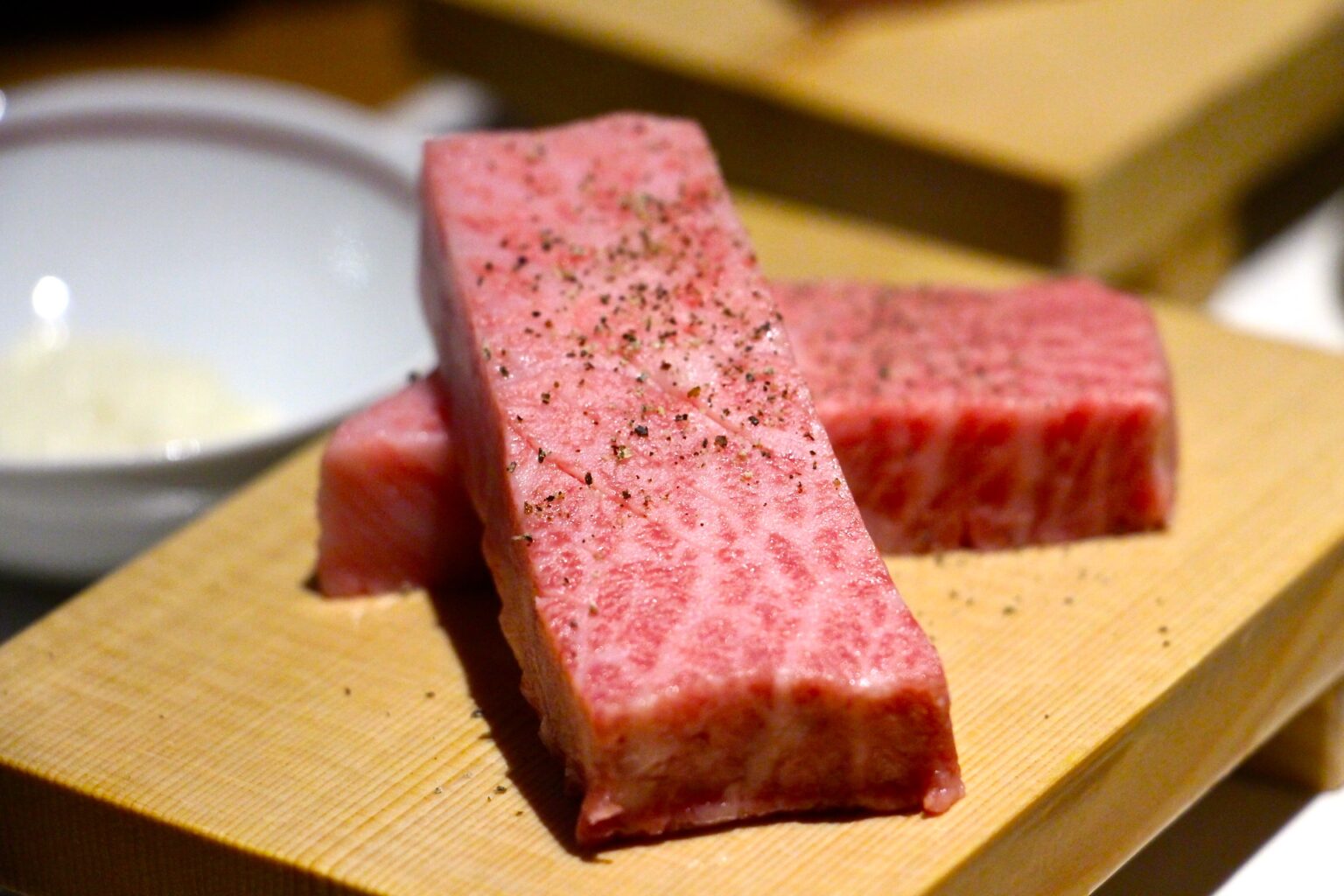
What Is Marbling?
Marbling refers to the fine streaks of fat distributed throughout the muscle rather than around the edges. In Wagyu beef, this marbling is:
- Extremely fine and evenly spread
- White, soft, and delicate
- Often compared to snowflakes or lace
Why Marbling Matters
This unique fat distribution is the main reason Wagyu is so prized:
- Tenderness: The fat melts at low temperatures, making the meat incredibly soft
- Flavour: Fat carries flavour, delivering a rich, sweet, umami taste
- Juiciness: Wagyu remains moist even when cooked simply
Unlike ordinary beef, Wagyu fat melts close to human body temperature, creating that signature “melt-in-your-mouth” sensation.
Genetics: Why Wagyu Is Naturally Different
Wagyu cattle possess a rare genetic trait that encourages intramuscular fat formation. This isn’t something created overnight—it’s the result of:
- Centuries of selective breeding
- Careful preservation of bloodlines
- Strict breeding controls in Japan
These genetics allow Wagyu cattle to store fat within the muscle fibres instead of around them, which is why even lean cuts appear richly marbled.
Traditional Japanese Farming Practices

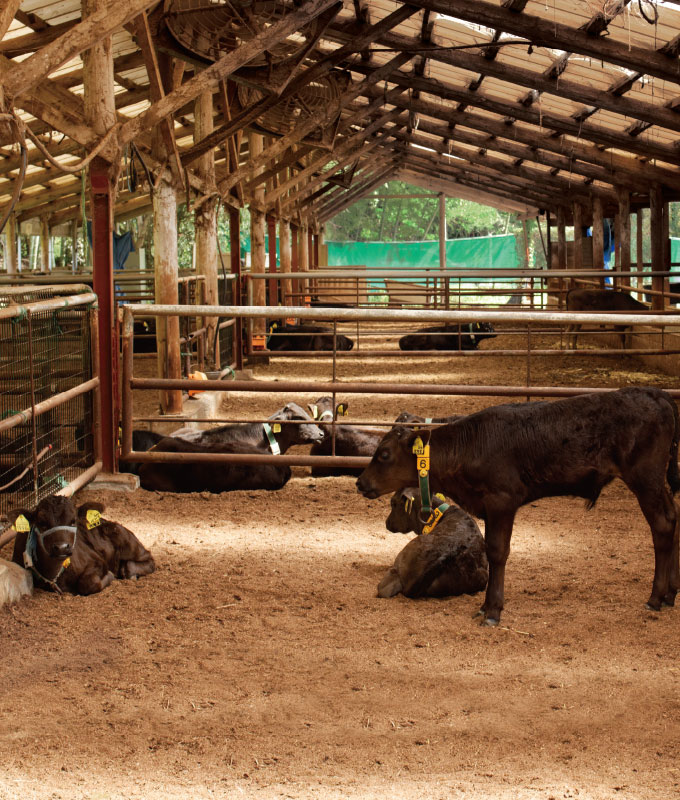

Wagyu’s quality is also deeply tied to how the cattle are raised.
Stress-Free Environment
Japanese farmers place great emphasis on:
- Calm surroundings
- Minimal stress
- Clean living conditions
Stress negatively affects meat quality, so Wagyu cattle are raised in peaceful environments.
Specialised Feeding Programs
Wagyu cattle are fed carefully balanced diets that may include:
- Rice straw
- Grains
- Corn and barley
Feeding periods are longer than standard beef cattle, allowing fat to develop slowly and evenly.
Time and Patience
Wagyu cattle are raised over a longer timeframe compared to conventional beef cattle, which contributes to:
- Better fat integration
- Enhanced flavour complexity
- Superior texture
Wagyu Grading System: Why A5 Is So Famous


Japan uses one of the strictest beef grading systems in the world.
Yield Grade (A–C)
This measures how much usable meat is obtained:
- A = Highest yield
- B = Medium
- C = Lower
Quality Grade (1–5)
This evaluates:
- Marbling
- Meat colour
- Fat quality
- Texture
A5 Wagyu
The legendary A5 Wagyu represents:
- Highest yield (A)
- Highest quality (5)
- Extremely high marbling scores
This is why A5 Wagyu is rare, expensive, and highly sought after.
Flavour Profile: Rich Yet Elegant
One of the biggest surprises for first-time Wagyu eaters is that despite its richness, Wagyu is not greasy.
What Wagyu Tastes Like
- Mild sweetness from the fat
- Deep umami notes
- Clean, lingering finish
The fat is rich in monounsaturated fats, which gives Wagyu its smooth, buttery flavour without overwhelming heaviness.
Nutritional Advantages of Wagyu Beef

Although Wagyu is indulgent, it also offers surprising nutritional benefits.
Healthier Fat Composition
Wagyu fat contains:
- Higher monounsaturated fats
- Lower saturated fat compared to regular beef
- A favourable omega-3 to omega-6 ratio
Rich in Nutrients
Wagyu beef provides:
- High-quality protein
- Iron and zinc
- B vitamins (especially B12)
This makes Wagyu both a luxury and a nutrient-dense protein when enjoyed in moderation.
Why Wagyu Is So Expensive
Several factors contribute to Wagyu’s premium price:
- Limited Supply – Authentic Japanese Wagyu is strictly controlled
- Longer Farming Period – Higher cost of care and feeding
- Strict Quality Standards – Only top-grade beef qualifies
- Export Restrictions – Limited quantities available overseas
Outside Japan, Wagyu-style beef may come from crossbred cattle, which can still be excellent but differs from full-blood Japanese Wagyu.
Wagyu vs Regular Beef: A Clear Difference
| Aspect | Wagyu Beef | Regular Beef |
|---|---|---|
| Marbling | Extremely high | Moderate to low |
| Texture | Ultra-tender | Firm |
| Fat Melting Point | Very low | Higher |
| Flavour | Sweet, umami-rich | Beefy, robust |
| Price | Premium | Affordable |
Wagyu isn’t meant to replace everyday beef—it’s meant to elevate special meals.
Best Ways to Enjoy Wagyu Beef


4
Because of its richness, Wagyu is best enjoyed simply.
Popular Cooking Styles
- Yakiniku – Quick grilling of thin slices
- Steak – Light seasoning, minimal cooking
- Shabu-shabu – Brief swish in hot broth
- Teppanyaki – High heat, precise timing
Simple Seasoning Is Best
A touch of:
- Sea salt
- Fresh wasabi
- Light soy sauce
is often all you need to let Wagyu shine.
Cultural Significance of Wagyu in Japan
In Japan, Wagyu represents:
- Craftsmanship
- Patience
- Respect for ingredients
It is often served during:
- Celebrations
- Special occasions
- Business hospitality
Wagyu reflects the Japanese philosophy of quality over quantity—small portions, exceptional taste.
Is Wagyu Worth It?
For many people, Wagyu is not an everyday meal—and it isn’t meant to be. It’s about:
- Experiencing something rare
- Appreciating craftsmanship
- Enjoying flavour at its highest level
Even a small portion can deliver a memorable dining experience.
Final Thoughts: Why Wagyu Beef Is Truly Special
Wagyu beef is not just “good beef”—it is the result of centuries of tradition, unique genetics, meticulous farming, and uncompromising quality standards. Its unmatched marbling, melt-in-your-mouth texture, elegant flavour, and nutritional profile set it apart from any other beef in the world.
Whether enjoyed as a beautifully seared steak, delicate yakiniku slices, or a luxurious shabu-shabu dish, Wagyu delivers an experience that goes beyond taste—it tells a story of patience, precision, and excellence.
That is what truly makes Wagyu beef so good. 🥩