
Organic pork has gained steady popularity among health-conscious consumers, chefs, and families who care deeply about what goes into their food. As people become more aware of farming practices, food safety, and long-term wellness, organic pork stands out as a cleaner, more transparent, and more wholesome choice compared to conventional pork. Beyond labels and trends, organic pork represents a fundamentally different approach to raising animals, producing meat, and nourishing people.
This article explores why organic pork is healthier, looking closely at clean farming methods, nutritional advantages, ethical considerations, and the superior taste that comes from raising pigs the natural way.
Understanding What “Organic Pork” Really Means
Organic pork is not just pork that looks better or costs more. It is meat produced under strict farming standards that prioritise animal welfare, environmental sustainability, and food safety.
Organic pigs are raised on certified organic farms where:
- Feed is grown without synthetic pesticides or chemical fertilisers
- Genetically modified organisms (GMOs) are prohibited
- Antibiotics and growth hormones are not routinely used
- Animals are given access to outdoor spaces and natural movement
- Living conditions are designed to reduce stress and overcrowding
These standards ensure that organic pork is produced in a way that aligns closely with natural biological processes, rather than industrial efficiency alone.
Clean Farming Practices Make a Real Difference
No Routine Antibiotics or Growth Hormones
One of the most important differences between organic and conventional pork lies in antibiotic use. In industrial pork farming, antibiotics are often administered routinely to promote faster growth and prevent disease in overcrowded conditions. This practice raises concerns about antibiotic resistance and residue in meat.
Organic pork farming strictly limits antibiotic use. Pigs are only treated when medically necessary, and if antibiotics are used, the animal is removed from the organic programme. This reduces consumers’ exposure to antibiotic residues and supports global efforts to combat antibiotic resistance.
Growth hormones, which are sometimes associated with accelerated weight gain, are also prohibited in organic pig farming. As a result, organic pork develops at a natural pace, producing meat that is structurally healthier and less water-retentive.
Organic Feed Without Harmful Chemicals
Organic pigs are fed diets made from organically grown grains and plants. This means:
- No chemical pesticides
- No synthetic fertilisers
- No genetically modified feed ingredients
Because pigs are what they eat, clean feed directly affects meat quality. Organic feed contributes to pork that is free from chemical residues and supports better fat composition and overall nutritional value.
Better Nutrition Starts at the Farm


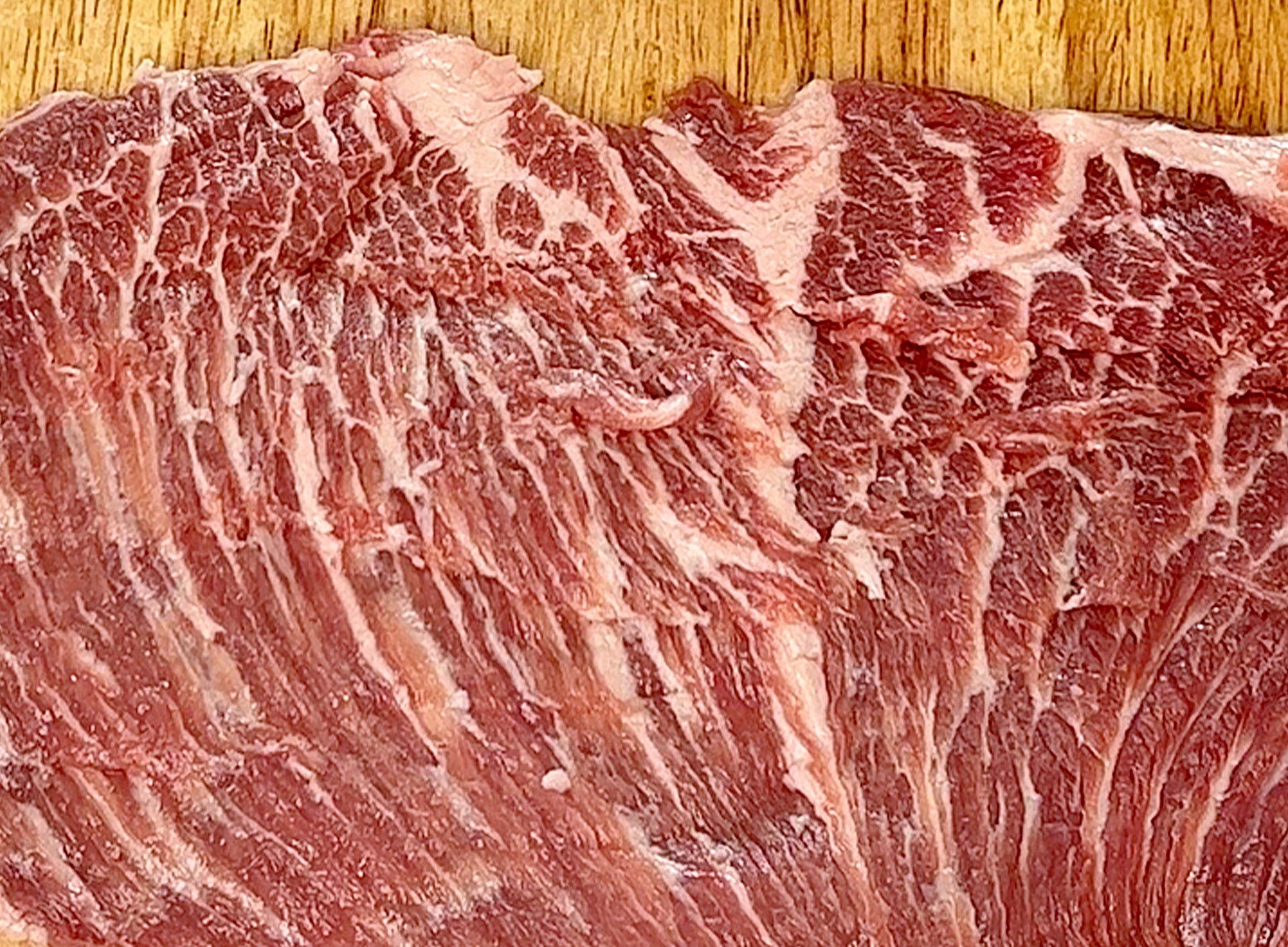
Healthier Fat Profile
Organic pork often contains a more balanced fat profile compared to conventional pork. While pork naturally contains both saturated and unsaturated fats, organic farming practices — including natural feed and outdoor activity — help improve the ratio of beneficial fats.
Many consumers report that organic pork feels less greasy and more satisfying. This is because healthier fat composition leads to cleaner flavour and improved digestion.
Higher Micronutrient Retention
Because organic pigs grow at a natural pace and experience less physiological stress, their meat tends to retain nutrients more effectively. Organic pork is a good source of:
- High-quality protein
- B vitamins, especially B12 and niacin
- Essential minerals such as iron, zinc, and selenium
These nutrients play key roles in energy production, immune support, red blood cell formation, and muscle maintenance.
Reduced Exposure to Harmful Substances
Lower Risk of Chemical Residues
Conventional pork production can involve exposure to:
- Pesticide residues from feed
- Chemical disinfectants
- Environmental contaminants from intensive farming
Organic pork significantly reduces these risks by eliminating synthetic chemicals at every stage of production. For families with young children, elderly members, or individuals with sensitive health conditions, this reduced chemical exposure can be particularly important.
Cleaner Meat for Long-Term Health
While occasional exposure to small amounts of chemicals may not cause immediate harm, long-term dietary patterns matter. Choosing organic pork as part of a balanced diet supports cleaner eating habits and reduces cumulative exposure to potentially harmful substances over time.
Animal Welfare and Its Impact on Meat Quality
Lower Stress, Better Meat
Stress plays a significant role in meat quality. Pigs raised in cramped, noisy, and stressful environments produce meat that can be tougher, less flavourful, and inconsistent in texture.
Organic pigs are raised with:
- More space to move
- Access to outdoor environments
- Natural social interactions
These conditions reduce stress hormones in the animals, resulting in pork that is more tender, juicy, and naturally flavourful.
Ethical Farming Aligns with Healthier Choices
Many consumers choose organic pork not only for personal health but also for ethical reasons. Supporting farms that prioritise humane treatment reinforces a food system where animal welfare and human health go hand in hand.
Superior Taste You Can Truly Notice
One of the most compelling reasons people switch to organic pork is taste.
Richer, More Natural Flavour
Organic pork often has a deeper, more authentic pork flavour. Because the pigs grow naturally and consume a diverse, organic diet, the meat develops complex flavour compounds that industrial pork simply cannot replicate.
Instead of bland or watery meat, organic pork offers:
- Firm yet tender texture
- Balanced fat distribution
- Clean, savoury taste without artificial aftertastes
Better Cooking Performance
Organic pork holds its shape better during cooking. It releases less excess water, browns more evenly, and absorbs marinades more effectively. Whether pan-seared, slow-roasted, grilled, or braised, organic pork delivers consistently better results in the kitchen.
Home cooks and professional chefs alike appreciate how forgiving and flavourful organic pork can be.
Ideal for Families, Children, and Aging Adults
Safer Protein for Growing Children
Children require high-quality protein and essential nutrients for growth and development. Organic pork provides these nutrients without unnecessary exposure to antibiotics or chemical residues, making it a safer option for family meals.
Easier to Digest for Seniors
Older adults often have more sensitive digestive systems. The cleaner fat profile and natural muscle development of organic pork can make it easier to digest, especially when prepared using gentle cooking methods such as steaming or slow braising.
Supporting Sustainable and Responsible Agriculture
Better for the Environment
Organic pork farming practices help protect:
- Soil health
- Water quality
- Biodiversity
By avoiding chemical fertilisers and pesticides, organic farms reduce environmental pollution and promote long-term agricultural sustainability. Choosing organic pork supports a food system that can continue feeding future generations responsibly.
Encouraging Transparent Food Systems
Organic certification requires traceability and accountability. This transparency builds trust between farmers and consumers, ensuring that what you eat aligns with your values.
Is Organic Pork Worth the Price?
Organic pork often costs more than conventional pork, but the difference reflects:
- Higher farming standards
- Better animal welfare
- Cleaner inputs
- Slower, more natural growth
When viewed as an investment in health, taste, and ethical consumption, many consumers find organic pork well worth the price.
Instead of consuming larger quantities of cheaper meat, choosing smaller portions of higher-quality organic pork can be a more balanced and mindful approach to eating.
How to Enjoy Organic Pork at Its Best
To fully appreciate organic pork:
- Use simple seasonings to highlight natural flavour
- Avoid overcooking to preserve tenderness
- Choose cooking methods that suit the cut, such as slow cooking for tougher cuts and quick searing for tender ones
Organic pork shines when treated with respect and simplicity.
Final Thoughts: A Healthier Choice from Farm to Fork
Organic pork is healthier not because of marketing claims, but because of clean farming practices, better nutrition, ethical treatment, and superior taste. From the way pigs are raised to how the meat performs in your kitchen, organic pork delivers tangible benefits that go beyond the plate.
For those seeking cleaner food, better flavour, and long-term wellness, organic pork represents a conscious step toward eating better — naturally, responsibly, and deliciously.